When You Should Get Advice
- The insurance beneficiary is listed only as 'legal heirs', and we siblings disagree about how to split it
- A few years before he died, my father changed the insurance beneficiary to someone else
- One family member took the whole death severance pay from the company
- I am confused about who receives the National Pension survivor pension and whether it is the same as the heirs
- My family member died in a traffic accident, and with so much debt I do not know what happens to the compensation if we renounce
Relevant Laws
Commercial Act (상법) Article 733 (Right to designate or change the beneficiary)
The policyholder may designate or change the beneficiary. If the insured event occurs before the policyholder exercises this right, the heirs of the insured person or of the beneficiary become the beneficiaries (paragraph 4).
National Pension Act (국민연금법) Article 73 (Scope of survivors)
The survivor pension is paid only to the highest-ranking survivor among those who depended on the insured person for their living at the time of death, in this order: spouse, children (under 25 or with a disability), parents (60 or over or with a disability), grandchildren (under 19 or with a disability) and grandparents. Under this Act, a spouse includes a de facto spouse (Article 3(2)).
Industrial Accident Compensation Insurance Act (산업재해보상보험법) Article 65 (Order of survivors entitled to benefits)
Lump-sum survivor compensation and similar benefits go first to the spouse, children, parents, grandchildren and grandparents who shared a household with the worker at the time of death, and if several people are in the same rank, they share equally. If the worker designated a survivor by will, that designation is followed.
Statutes are summarized. The official Korean text is available at the Korea Law Information Center (law.go.kr).
Start by Checking Who Is Named as Beneficiary
The nature of death insurance money depends on who is written in the beneficiary field of the policy. If a specific person, such as the spouse or a child, is named as beneficiary, the insurance money is that beneficiary's own property. Even if the beneficiary is written only as 'heirs', or the insured event occurred without any beneficiary being named, case law treats the money as the heirs' own property received directly under the insurance contract (Supreme Court Decision 2000다31502 of December 28, 2001; Supreme Court Decision 2003다29463 of July 9, 2004).
So, as a rule, this kind of insurance money can be received regardless of renunciation of inheritance (상속포기), and the deceased's creditors cannot take it as part of the estate. On the other hand, if the beneficiary is the deceased themselves, the insurance money becomes the deceased's property and part of the estate. If you do not have the policy, check the contract terms separately with the insurers shown in the Safe Inheritance (안심상속) search results.
If 'Legal Heirs' Are Named, the Money Is Split by Inheritance Shares
For accident insurance where the beneficiary was written only as 'legal heirs', the Supreme Court held that, unless there are special circumstances, each heir can claim the portion of the insurance money that corresponds to their inheritance share (Supreme Court Decision 2015다236820 of December 22, 2017). For a mother and two children, for example, the split would be 1.5 to 1 to 1.
If one sibling collected the full amount from the insurer, you can claim back the part that exceeds their share. If a family member renounced the inheritance, whether that person is counted in the proportions may be disputed depending on the policy terms and the case, so check this before claiming from the insurer.
If Someone Else Received It, Look at the Forced Heirship Share and Special Benefits
Where a father paid the premiums and then changed the beneficiary to someone who is not an heir, and that person received the insurance money, case law treats this as a gift to that person that can be counted in the forced heirship share (유류분) calculation. The amount of the gift is not necessarily the full insurance payout; it can be calculated by multiplying the payout by the proportion of the premiums paid that the father paid (Supreme Court Decision 2020다247428 of August 11, 2022).
If only one of the siblings was named as beneficiary, the dispute is whether that insurance money counts as a share received in advance (special benefit, 특별수익). Documents showing who paid the premiums, when the contract was made and when the beneficiary was changed are important.
Severance Pay, Survivor Pensions and Accident Compensation Are Assessed Separately
For the National Pension survivor pension and industrial accident survivor benefits, the law sets who receives them and in what order. The test is whether the person shared a household or depended on the deceased, so the recipients may differ from the heirs, and sometimes a de facto spouse receives them. These are not part of the estate, so they can be received even after renouncing the inheritance.
Whether death severance pay is the survivors' own money or part of the estate depends on whether the company's rules or collective agreement provide for it to be paid directly to survivors. If the death was caused by an accident, the deceased's own compensation for emotional distress and lost future income, claimed from the person responsible, is part of the estate, while each survivor's own compensation for emotional distress belongs to that survivor. If you renounce because of debts, you cannot receive the compensation belonging to the deceased, so you need to decide in the right order.
How We Sort It Out
- 1
Securing the policy and payment records
We obtain the insurance policy, beneficiary change history and the insurer's payment records, and check the rules under which severance pay and pensions are paid.
- 2
Classifying each payment
We sort the money into estate property, the beneficiary's own property and statutory survivor benefits in a table, and look at how each affects renunciation or limited acceptance.
- 3
Calculating proportions and refunds
We compare the money to be split by inheritance shares with what one person has already taken, and calculate the amount to be returned.
- 4
Reviewing the forced heirship share and special benefits
If a third party or one sibling received insurance money, we prepare a forced heirship share or special benefit argument based on the premium payment records.
- 5
Agreement or a claim
If a family agreement is difficult, we resolve it through a claim for return or within the division of the estate proceedings.
Lawyers handling these cases
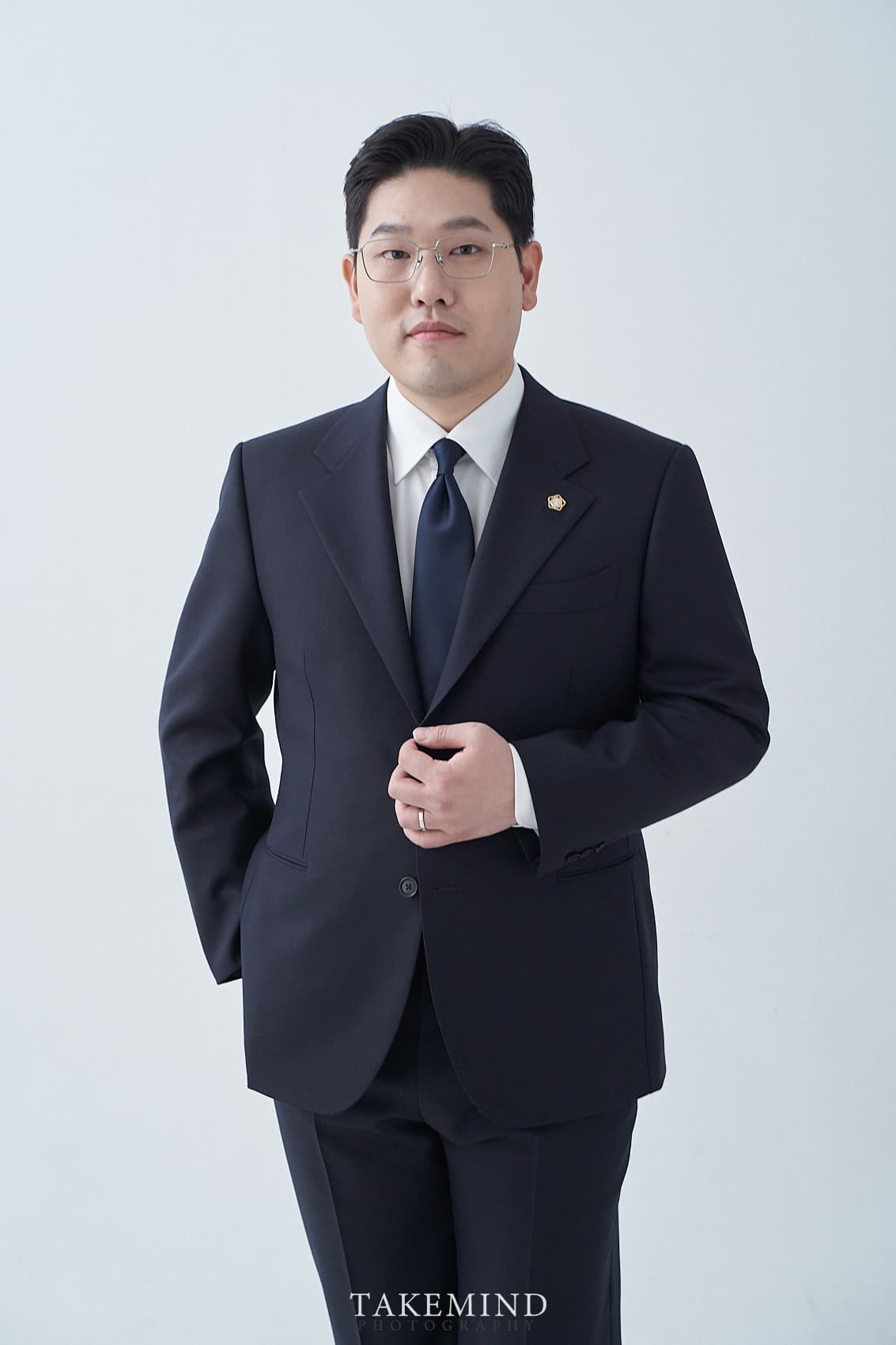
Hansol Kim Managing Partner
Former prosecutor at the Incheon District Prosecutors' Office, the Ansan Branch of the Suwon District Prosecutors' Office and the Hongseong Branch of the Daejeon District Prosecutors' Office
View profile →
Miso Kim Partner
Formerly at Daehwan Law Firm, in-house counsel on the legal team of Wemade Co., Ltd., and Oracle Law Firm
View profile →
Frequently asked questions
My brother was the insurance beneficiary, so he received the money alone. Do I have no rights at all?
The insurance money itself is your brother's own property as beneficiary, so it is hard to demand that it be split directly. However, if your father paid the premiums, it may be counted as a share your brother received in advance in the division of the estate, or you may be able to examine whether your forced heirship share was infringed. Start by checking who paid the premiums and how much.
Does my mother have to share her National Pension survivor pension with us children?
No. The survivor pension is paid only to the highest-ranking survivor in the order set by law, and it is not part of the estate (National Pension Act Article 73). While the spouse is receiving it, nothing is paid to the children.
The other side in the accident is offering a settlement, but we are thinking of renouncing because of debts.
The damages belonging to the deceased are part of the estate, so receiving and spending them may count as simple acceptance (단순승인), and if you renounce, you cannot receive them. Each survivor's own compensation for emotional distress can be received separately. Compare the debts with the amount of compensation, decide first whether renunciation or limited acceptance (한정승인) is better, and only then agree to a settlement.