When you should get advice
- My spouse had an affair and left home, and now they've sued me for divorce
- I'm seeing someone else and we're separated, and I want to finalize the divorce
- We've been separated for over 10 years, but my spouse refuses only the divorce
- I don't want a divorce, but I don't know what to do in the lawsuit
- My spouse has filed a counterclaim for compensation and property division
Relevant provisions
Civil Act (민법) Article 840 (Grounds for judicial divorce)
Along with infidelity, malicious desertion, extremely unfair treatment and the spouse's whereabouts or survival being unknown for 3 years or more, Item 6 sets 'any other serious reason making it difficult to continue the marriage' as a ground for divorce. Divorce claims by a spouse at fault are mostly fought over this Item 6.
Civil Act Article 842 (Extinction of the right to claim divorce on other grounds)
A divorce cannot be claimed on the ground in Article 840, Item 6 once 6 months have passed since the other spouse learned of it, or 2 years since it occurred.
Statutes are summarized. The official Korean text is available at the Korea Law Information Center (law.go.kr).
The rule is that such claims are not accepted
In its en banc decision of September 15, 2015 (2013므568), the Supreme Court kept its existing position that, in principle, a divorce claim by the spouse at fault (유책배우자) is not allowed. Its reasons were that Korea offers divorce by agreement, so even the responsible spouse can persuade the other to divorce, and that allowing divorce based on breakdown alone, without a system to secure the other spouse's livelihood after divorce, could result in that spouse being forced out unilaterally.
So a spouse who had an affair and left home will have difficulty getting a divorce judgment just by arguing that 'the marriage is over anyway'. The issues in the lawsuit come down to who broke up the marriage, and whether the case falls under one of the exceptions below.
When exceptions are recognized
The same decision said that divorce may be allowed as an exception if there are special circumstances in which the responsibility no longer remains to an extent that should block the divorce claim. The court looks broadly at the nature and degree of the responsibility, the other spouse's intention to continue the marriage, the ages of both spouses and the length of the marriage, the length of the separation and life after it, how the other spouse's livelihood will be secured after divorce, and the situation of any minor children.
In a decision of June 16, 2022 (2021므14258), the Supreme Court said that the other spouse's intention to continue the marriage should not be judged only by what is said in the lawsuit, but objectively, by looking at what efforts were actually made to repair the relationship.
- When the other spouse also has no intention of continuing the marriage but refuses only the divorce out of emotion
- When the spouse at fault has steadily sent living expenses and child support and shown consideration to the other spouse and children, enough to offset the responsibility
- When so much time has passed that weighing the degree of responsibility has become meaningless
If you are the spouse who does not want a divorce
If you want to keep the marriage, you need to show that intention in both words and actions. Agreeing to couples counseling recommended by the court, keeping in contact about the children, and keeping records of requests for living expenses all support your intention to continue the marriage. Conversely, if you have only blamed the other spouse and cut off communication, that can be used against you when the court judges the exceptions.
However, no one can be sure how the lawsuit will end, so we also consider whether to make alternative claims for compensation for emotional distress (위자료), property division and child-rearing arrangements in case the divorce is granted.
If you are the spouse seeking divorce
If you bear the responsibility, agreement is often a more realistic path than a lawsuit. The 'protection and consideration' the case law speaks of shows in whether you faithfully sent living expenses and child support during the separation, and whether you proposed a property settlement that would allow the other spouse to live after the divorce.
Many cases are also hard to see as one spouse's fault alone. If the other spouse also engaged in conduct such as verbal abuse or a long period of coldness, we can organize those circumstances in time order and argue that both spouses share responsibility.
How Jisan Law's Family Law Center proceeds
- 1
Sorting out responsibility
The managing partner consults with you personally, organizes in date order how the separation came about and each spouse's wrongdoing, and first judges whether there is room to fall under an exception.
- 2
Setting the goal
We decide whether to keep the marriage or to divorce if the terms are right, and set the order of arguments accordingly.
- 3
Preparing evidence and records of daily life
We gather material on the affair or leaving home, records of living expenses and child support sent after the separation, and records of contact made to repair the relationship.
- 4
Responding in mediation and the lawsuit
In mediation, we weigh realistic terms, and if no agreement is reached, we argue the case through an answer, a counterclaim and briefs.
Lawyers handling these cases
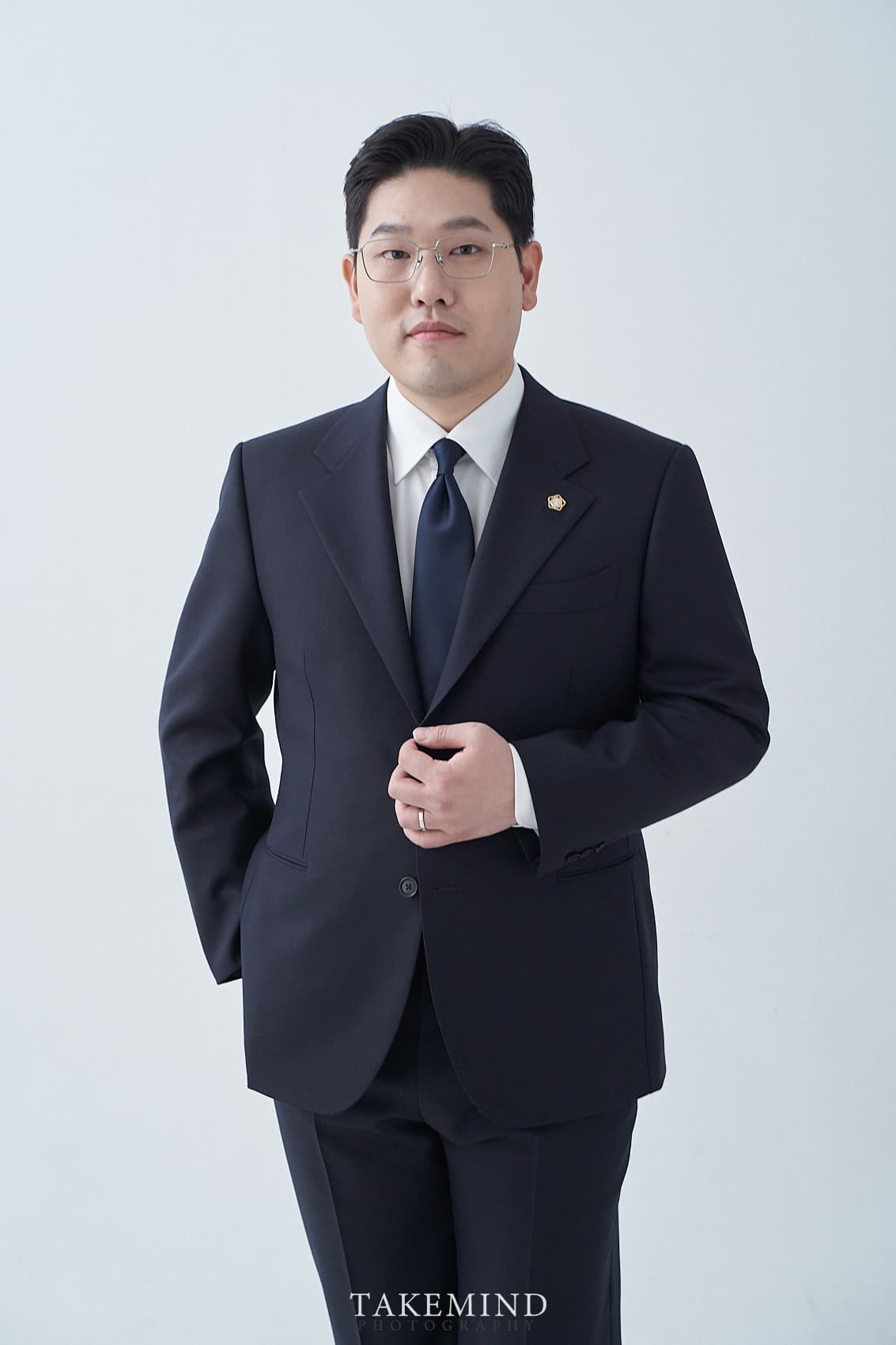
Hansol Kim Managing Partner
Former prosecutor at the Incheon District Prosecutors' Office, the Ansan Branch of the Suwon District Prosecutors' Office and the Hongseong Branch of the Daejeon District Prosecutors' Office
View profile →
Miso Kim Partner
Formerly at Daehwan Law Firm, in-house counsel on the legal team of Wemade Co., Ltd., and Oracle Law Firm
View profile →
Frequently asked questions
After how many years of separation can a spouse at fault get a divorce?
There is no period set by law. The length of separation is considered as one of many circumstances, together with how living expenses and child support were paid during that time and whether the other spouse actually tried to continue the marriage.
If I had an affair, can I not receive property division either?
Property division is a system for dividing assets built together during the marriage, so it is judged separately from responsibility for the breakdown. Compensation for that responsibility is argued through compensation for emotional distress, while property division looks at how much each spouse contributed to building the assets.
If my divorce claim is dismissed, can I never sue again?
A new claim based only on the same circumstances is unlikely to be accepted. However, if new circumstances arise after the judgment, such as a long continued separation or a change in the other spouse's attitude, there may be room for a new decision.