When you may need advice
- I testified in a civil trial, and the other side filed a perjury complaint against me
- An acquaintance asked me to say something untrue in court, and now I want to correct it
- A witness for the other side lied in my criminal trial
- I am accused of inducing perjury by asking someone to lie
Relevant laws
Criminal Act (형법) Article 152 (Perjury, Malicious Perjury)
A witness who has taken an oath under the law and makes a false statement is punishable by up to 5 years in prison or a fine of up to KRW 10 million. If the aim is to harm a defendant, suspect or person facing discipline in a criminal or disciplinary case, the penalty is up to 10 years in prison.
Criminal Act Article 153 (Confession, Voluntary Surrender)
If a person who committed perjury confesses or surrenders before the judgment or disciplinary decision in the case in which they testified becomes final, the penalty is reduced or waived.
Statutes are summarized. The official Korean text is available at the Korea Law Information Center (law.go.kr).
Only a sworn witness can commit perjury
Perjury applies only to a witness who took an oath and testified in court. Making a false statement as a witness during a police investigation, or a defendant lying in court in their own trial, is not perjury.
Witnesses in civil trials also take an oath, so they can commit perjury. Malicious perjury (모해위증) applies only in criminal and disciplinary cases where the aim is to harm the other party, and it has no fine option.
Before you go to court as a witness, it is a good idea to go back over messages or schedules from the time and organize your memory. For anything you are not sure about, do not state it as certain; saying "I do not remember exactly" reduces the risk of a perjury dispute.
The test is whether you said something different from your memory
Court precedent consistently holds that a false statement in perjury means saying something different from what the witness experienced and remembers. Even if testimony does not match the objective facts, it is not perjury if the witness remembered it that way and said so.
Typical disputes include getting a date or amount wrong because the events were long ago, or answering a question after understanding it differently. So we start by obtaining the full witness examination record (증인신문조서) and comparing each question and answer line by line.
Correcting it before the judgment becomes final reduces or waives the penalty
If you actually gave false testimony, confessing or surrendering before the judgment in the case in which you testified becomes final reduces or waives the penalty (Criminal Act Article 153). If you intend to correct it, timing matters above all.
A person who asked for false testimony can be punished for inducing perjury with the same penalty as the witness (Criminal Act Article 31(1)). The witness who was asked and the person who asked are often investigated together, so care is needed to keep statements from conflicting.
Factors that affect the outcome and sentence
Factors that work against you
- · The perjury changed the outcome of the trial or created a serious risk of doing so
- · Receiving something in return, or coordinating stories in advance
- · An aim to harm is found
- · Denying it to the end and hiding other evidence
Factors that work in your favor
- · Circumstances suggesting a memory error or a misunderstood question
- · Correcting it yourself before the judgment became final
- · The testimony did not affect the outcome of the trial
- · No prior record
How our Criminal Law Center handles your case
- 1
Check the witness examination record
We check every question and answer in the testimony at issue and compare them with messages and documents from that time.
- 2
Decide the direction
In the consultation, we decide whether the testimony reflected your memory or needs to be corrected.
- 3
Attend questioning
We attend questioning on the perjury charge and help you calmly explain the basis for your memory.
- 4
Filing a complaint for you
If you are filing a complaint over a witness's perjury, we organize the record and contrary evidence and draft the criminal complaint.
Lawyers handling these cases
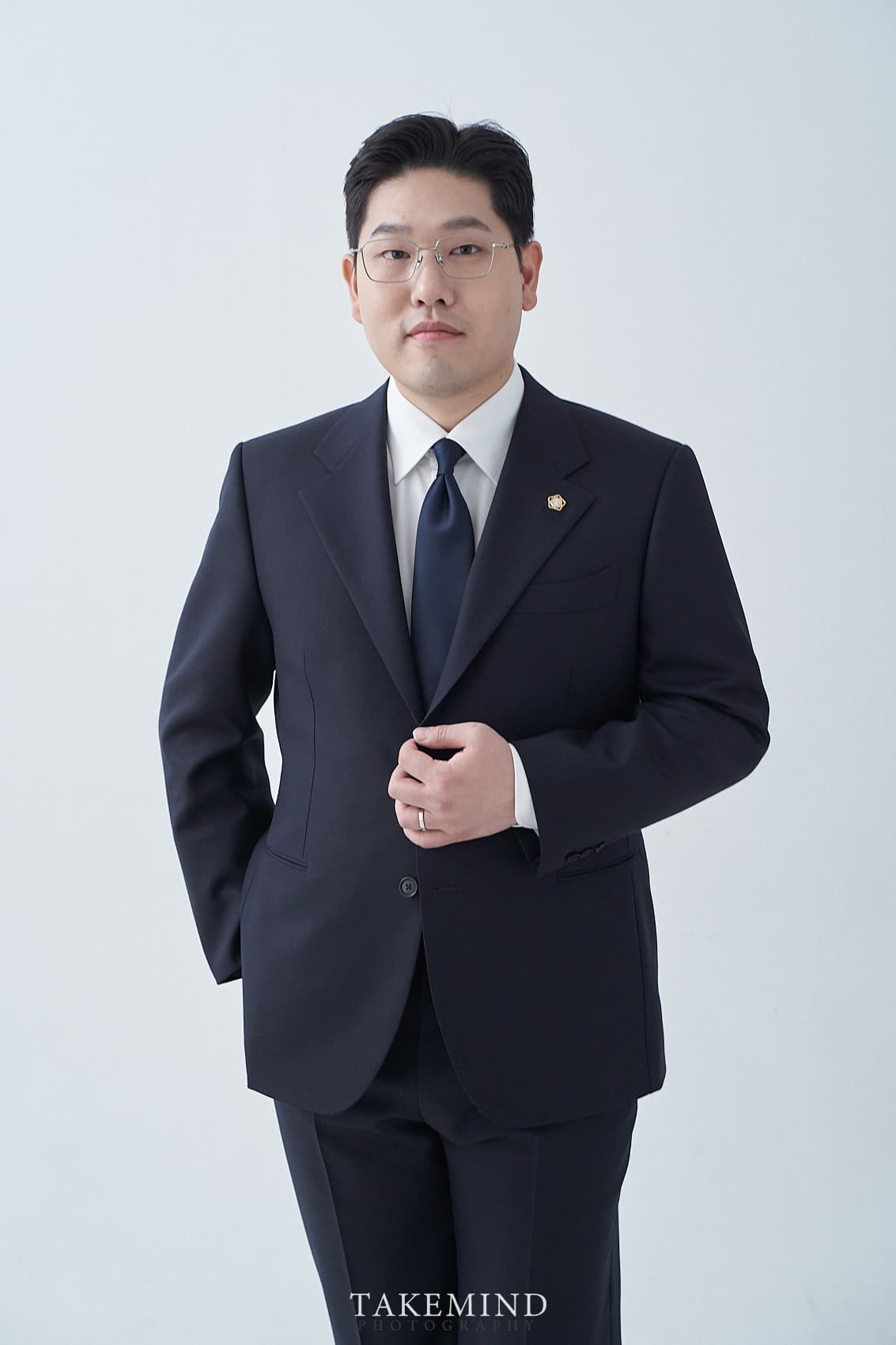
Hansol Kim Managing Partner
Former prosecutor at the Incheon District Prosecutors' Office, the Ansan Branch of the Suwon District Prosecutors' Office and the Hongseong Branch of the Daejeon District Prosecutors' Office
View profile →
Bonwoo Koo Managing Partner
Economic criminal cases such as Capital Markets Act violations, investment fraud, embezzlement and breach of trust
View profile →
Frequently asked questions
If the other side's witness is punished for perjury, will the judgment be overturned?
If testimony used as evidence for the original judgment is proven false by a final judgment, it can be grounds for a retrial (Criminal Procedure Act Article 420, Item 2; Civil Procedure Act Article 451(1), Item 7). However, other requirements, such as whether that testimony affected the judgment, must be examined separately.
Is lying during police questioning also perjury?
A false statement made as a witness to investigators is not perjury. However, if you manipulated evidence in someone else's case, for example by submitting false documents, a separate crime such as fabrication of evidence can arise.
Can I refuse to testify?
In cases set by law, such as when the testimony could expose you or a close relative to criminal punishment, you can refuse to testify. Check whether you have grounds to refuse before you testify.