When you may need advice
- I was drunk, pushed a police officer who came to the scene, and was arrested on the spot
- Obstruction of official duties was added because I shook off an officer's hand at a DUI checkpoint
- I swore at a paramedic and pulled their arm
- I was booked for shouting at a police substation, and I do not know if it is obstruction of official duties or drunken disturbance
- The police restrained me excessively first, and it feels unfair that only I am being punished
Relevant laws
Criminal Act (형법) Article 136 (Obstruction of the Performance of Official Duties)
Assaulting or threatening a public official who is performing their duties is punishable by up to 5 years in prison or a fine of up to KRW 10 million.
Criminal Act Article 144 (Special Obstruction of Official Duties)
Obstructing official duties by showing the force of a group or many people, or while carrying a dangerous object, increases the penalty by up to one half. If a public official is injured, the penalty is at least 3 years in prison.
Minor Offenses Act (경범죄 처벌법) Article 3(3), Item 1 (Drunken Disturbance at a Public Office)
Behaving drunkenly with very rough words and actions or making a noise at a public office while intoxicated is punishable by a fine of up to KRW 600,000, short-term detention or a petty fine.
Statutes are summarized. The official Korean text is available at the Korea Law Information Center (law.go.kr).
The crime requires lawful performance of duties
Obstruction of official duties is only established when the official was performing their duties lawfully. If you resisted unlawful conduct, such as an arrest that did not meet the legal requirements or being dragged away without being told the reasons, the crime may not apply.
So what the officer was doing and saying at the time matters. You can only dispute this after checking the body camera footage, dispatch records and CCTV at the scene.
Even a single push can be assault
Assault here is understood broadly as any use of physical force directed at the official. Pushing someone's chest or grabbing their collar, and in some cases shaking off their hand, can be an issue.
On the other hand, it must be distinguished whether it was a passive movement to free an arm that was being held, or a bump while falling. Matching each movement against the footage can change the outcome.
The officer's wish not to punish is a mitigating factor
Obstruction of official duties is not a crime that cannot be prosecuted against the victim's wishes, so the case does not end even if the officer does not want you punished. However, an apology, the officer's statement of no wish to punish and compensation for any harm are taken into account in your favor when the outcome and sentence are decided.
Saying you cannot remember because you were drunk does not help. It earns more credibility to separate what you remember from what you do not, and to admit actions that can be confirmed on video.
Factors that affect the outcome and sentence
Factors that work against you
- · Hitting or kicking several times
- · The officer was injured
- · Holding a dangerous object or acting together with several people
- · A similar prior conviction, or committing the offense during a suspended sentence
Factors that work in your favor
- · Only light physical force, such as a push or shaking off a hand
- · The officer was not injured
- · A sincere apology and the officer's wish not to punish
- · No prior record, and efforts to prevent recurrence such as alcohol treatment
How our Criminal Law Center handles your case
- 1
Visit right after arrest
If you were arrested on the spot, we visit you to hear what happened and decide the direction of your statement before questioning.
- 2
Pre-detention hearing
If a detention warrant (구속영장) is requested, we attend the pre-detention hearing (영장실질심사) and explain your residence, family ties and why there is no risk of reoffending.
- 3
Check footage and attend questioning
We check the body camera and scene footage, attend questioning with you, and raise points on the lawfulness of the officer's conduct and the degree of force.
- 4
Legal opinion and sentencing materials
We gather materials that count toward the outcome, such as a letter of apology, a statement of no wish to punish and alcohol treatment records, and submit them with a written legal opinion.
Lawyers handling these cases
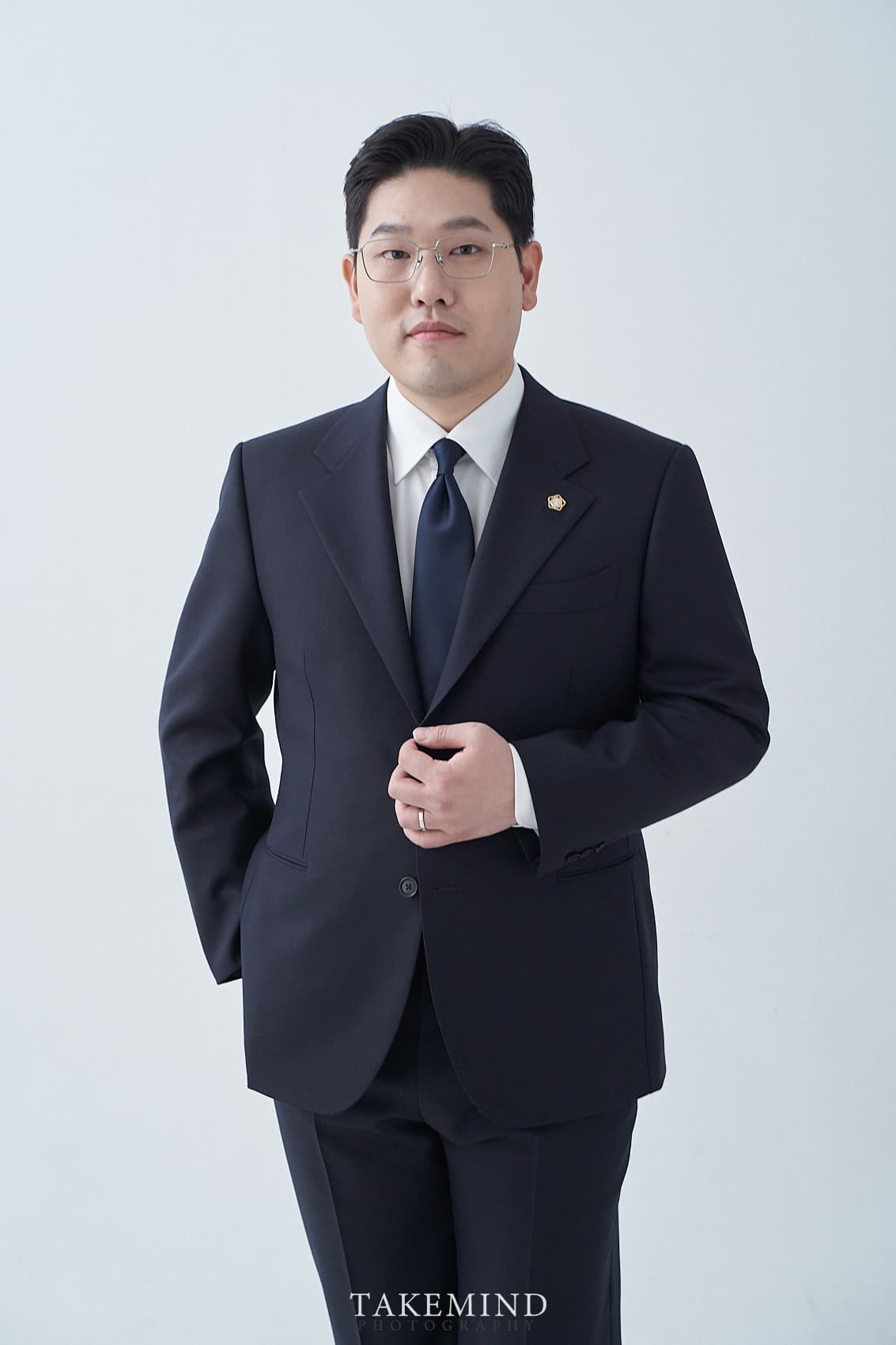
Hansol Kim Managing Partner
Former prosecutor at the Incheon District Prosecutors' Office, the Ansan Branch of the Suwon District Prosecutors' Office and the Hongseong Branch of the Daejeon District Prosecutors' Office
View profile →
Bonwoo Koo Managing Partner
Economic criminal cases such as Capital Markets Act violations, investment fraud, embezzlement and breach of trust
View profile →
Frequently asked questions
If I am arrested in the act, how long can I be held?
If a detention warrant is not requested within 48 hours of the arrest, you must be released immediately (Criminal Procedure Act Article 213-2 and Article 200-2(5)). In obstruction of official duties cases, people are often released after questioning, but a warrant may be requested depending on the degree of violence and any prior record.
How is drunken disturbance different from obstruction of official duties?
If you only shouted while drunk at a public office, it is drunken disturbance under the Minor Offenses Act, with a fine of up to KRW 600,000 or similar. If you assaulted or threatened a public official, it becomes obstruction of official duties under the Criminal Act, and the punishment is much heavier.
The police officer restrained me excessively first.
If the officer's conduct was unlawful, obstruction of official duties may not be established, and you can separately raise the issue of excessive force. However, claims without footage are hard to get accepted, so securing the footage comes first.