You may need a consultation if
- You hit someone once, they fell, hit their head and died
- A few days after a scuffle, you were told the other person had died
- A family member was arrested for assault resulting in death and is about to have a pre-detention hearing
- You were told the investigators are even considering a murder charge
- You heard the victim had a pre-existing illness
Relevant Laws
Criminal Act (형법) Article 259 (Injury Resulting in Death) and Article 262 (Assault Resulting in Death or Injury)
Injuring a person's body and causing their death is punished by imprisonment for a fixed term of 3 years or more, or if the victim is a lineal ascendant, by life imprisonment or imprisonment of 5 years or more. Causing a person's death through assault or special assault is punished in the same way as injury resulting in death.
Criminal Act Article 15(2)
For crimes whose penalty becomes heavier because of a result, the heavier crime is not punished if the occurrence of that result could not have been foreseen.
Criminal Act Article 250 (Murder)
Killing a person is punished by death, life imprisonment or imprisonment of 5 years or more. If you are found to have been aware of and accepted the possibility of death, the issue is murder, not a crime resulting in death.
Statutes are summarized. The official Korean text is available at the Korea Law Information Center (law.go.kr).
Murder and crimes resulting in death are separated by intent
If you intended only assault or injury and neither wanted nor expected death, it is injury or assault resulting in death. Investigators look at the tool used, where and how many times the person was struck and your conduct afterward, and may even consider conditional intent (미필적 고의) to kill, so your statement at the first questioning is extremely important.
Even with the same result, if the victim is a lineal ascendant, the statutory penalty rises to life imprisonment or 5 years or more. A death during confinement is confinement resulting in death, carrying imprisonment for a fixed term of 3 years or more.
Confirming the cause of death medically
Through the autopsy report and medical records, we check the direct cause of death and how it connects to the assault. A pre-existing illness, delayed emergency care or someone else's involvement can be grounds to dispute causation.
Even if causation is established, the crime resulting in death cannot be punished if an ordinary person could not have foreseen that result (Criminal Act Article 15(2)). In that case, you are held responsible only for the assault or injury.
Detention is likely in these cases
When a person has died, arrest and a request for a detention warrant often move quickly. At the pre-detention hearing (영장실질심사), you need to explain that there is no risk of flight or destroying evidence, pointing to your residence, work, family relationships, whether you turned yourself in and whether you gave aid at the scene.
Because the minimum statutory penalty is 3 years, a sentence of 3 years or less, which allows a suspended sentence (집행유예), requires sufficient mitigating materials such as how the crime happened, making up for the harm and the bereaved family's wishes.
Factors That Affect the Outcome and Sentence
Factors that work against you
- · Struck repeatedly or kept assaulting after the person fell
- · Used a weapon or dangerous object
- · Left the scene without giving aid
- · A record of violent crimes
Factors that work in your favor
- · A single, spur-of-the-moment act
- · The victim attacked first, or there were other causes such as a pre-existing illness
- · Immediately called 119 and gave aid
- · A settlement with the bereaved family or a criminal deposit
How Jisan Law's Criminal Law Center Responds
- 1
Visit right after the arrest
We visit the arrested person right away and explain their rights and how to approach their statement.
- 2
Attending the pre-detention hearing
We attend the pre-detention hearing and show that there are no grounds for detention.
- 3
Reviewing the cause of death and circumstances
We review the autopsy report, medical records and footage from the scene to examine causation and foreseeability.
- 4
Sitting in on questioning and written opinion
We also sit in on questioning during detention and submit a written opinion denying intent to kill.
- 5
Preparing for trial
We organize relations with the bereaved family, a criminal deposit (형사공탁) and mitigating materials to prepare for trial.
Lawyers handling these cases
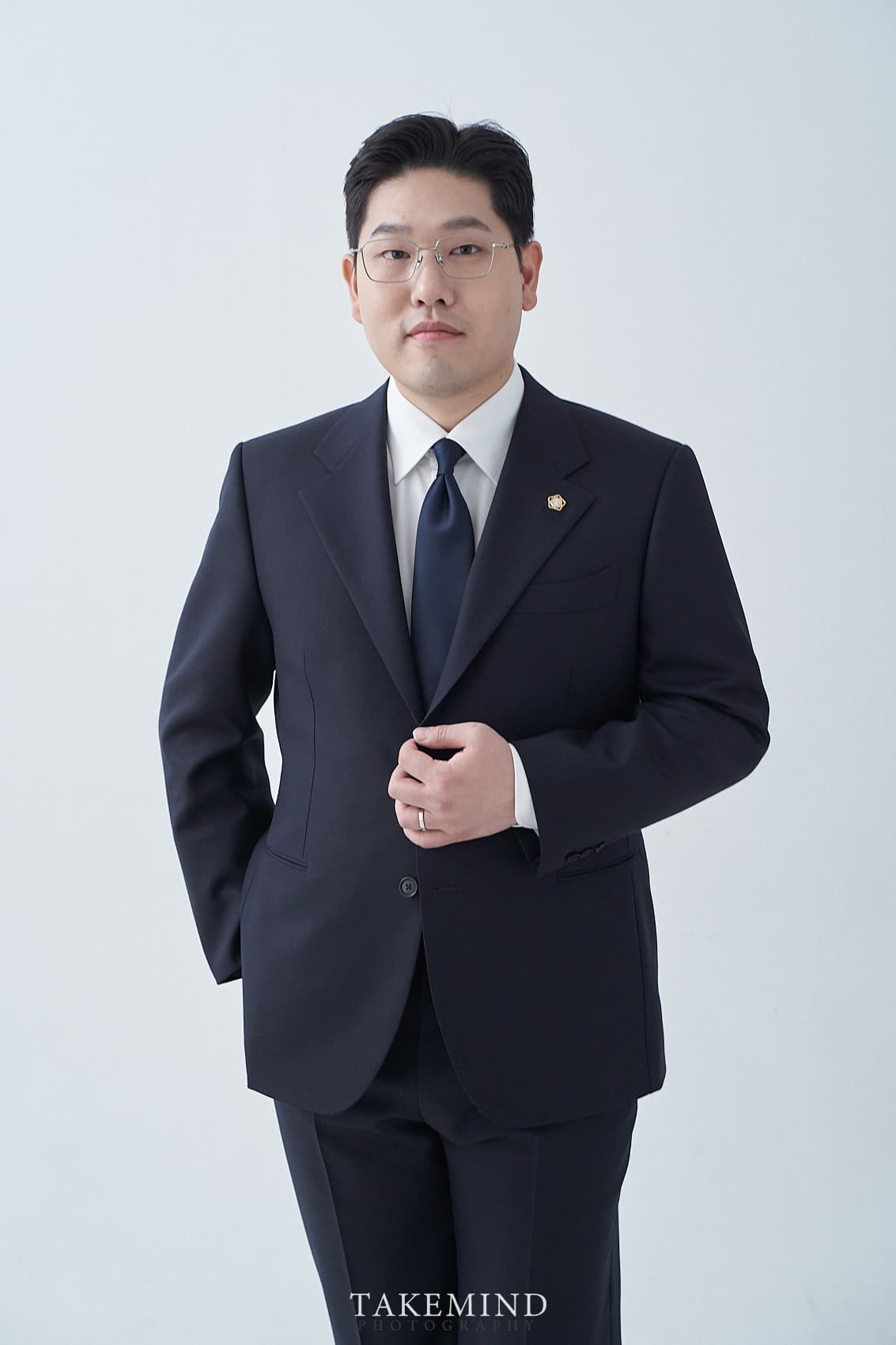
Hansol Kim Managing Partner
Former prosecutor at the Incheon District Prosecutors' Office, the Ansan Branch of the Suwon District Prosecutors' Office and the Hongseong Branch of the Daejeon District Prosecutors' Office
View profile →
Bonwoo Koo Managing Partner
Economic criminal cases such as Capital Markets Act violations, investment fraud, embezzlement and breach of trust
View profile →
Frequently asked questions
I only hit them once. Why is it a crime resulting in death?
Assault resulting in death is committed if there is a causal link between the intentional assault and the death and that result was foreseeable. Even a single blow is a problem if death followed a foreseeable path, such as falling and hitting one's head.
If the victim had a pre-existing illness, is my responsibility reduced?
Even if an illness contributed to the death, causation may not be denied if the assault was one of the causes. However, whether the illness was the main cause and whether you could have known about it at the time of the assault are issues that can be disputed.
Is a suspended sentence possible?
The statutory penalty is 3 years or more, so a suspended sentence is possible only if the sentence imposed is 3 years or less. How the crime happened, a settlement with the bereaved family and efforts to make up for the harm greatly affect the decision.