You may need a consultation if
- You spanked your child as discipline, and the school reported it as child abuse
- A parent who saw daycare CCTV footage reported you, a childcare teacher
- You were accused of emotional abuse for scolding loudly during class
- You are being investigated for child abuse because your child witnessed a fight between you and your spouse
- A child abuse officer at the district office contacted you asking you to come in
- You received notice that the case was referred as a child protection case
Relevant Laws
Child Welfare Act (아동복지법) Article 17 and Article 71(1)
Physical abuse, emotional abuse (including exposing a child to domestic violence), neglect and similar acts against a child under 18 are punished by up to 5 years' imprisonment or a fine of up to KRW 50 million, and sexual abuse by up to 10 years' imprisonment or a fine of up to KRW 100 million.
Act on Special Cases Concerning the Punishment of Child Abuse Crimes (아동학대범죄의 처벌 등에 관한 특례법) Article 2, item 3 and Article 7
Teachers' legitimate educational activities and student guidance under the Early Childhood Education Act and the Elementary and Secondary Education Act are not considered child abuse. If a mandatory reporter, such as daycare staff, kindergarten or school staff or a private academy instructor, commits a child abuse crime against a child in their care, the penalty for that crime is increased by up to one half.
Child Welfare Act Article 29-3 (Employment Restrictions)
When imposing a sentence, including a fine, for a child abuse-related crime, the court also orders that the person may not run or work at child-related institutions for a period of up to 10 years. Exceptions include cases where the risk of reoffending is markedly low.
Statutes are summarized. The official Korean text is available at the Korea Law Information Center (law.go.kr).
The applicable law depends on who did it
Child abuse crimes under the Child Abuse Punishment Act refer to abuse by a guardian. Guardians include not only those with parental authority but also people who protect, raise or educate the child and people who effectively protect and supervise the child through work or employment, so childcare teachers, teachers and private academy instructors are included.
Even if you are not a guardian, the prohibited acts in the Child Welfare Act apply to everyone. Neighbors or adult relatives who hit or insult a child can also be investigated for violating the Child Welfare Act.
Emotional abuse looks at the risk of the act rather than the intent
The Supreme Court holds that emotional abuse can arise when there is a risk or possibility of harming the child's mental health and normal development, and it is enough that the person was conditionally aware of that risk (Supreme Court Decision 2015도13488, December 23, 2015). Explaining that the purpose was to teach is not enough; the content and intensity of the words, whether it was repeated and the situation at the time are considered together.
For teachers, legitimate educational activities and student guidance are not considered child abuse, and if conduct during educational activities is reported, the superintendent of education with jurisdiction can submit an opinion. The police and prosecutor must file that opinion in the case records and take it into account (Child Abuse Punishment Act Article 17-3).
The investigation proceeds on two tracks
Once a report is made, a child abuse officer at the city, county or district office can require you to appear, give a statement and submit materials to assess the case (Article 11-2), while the police conduct a criminal investigation. What you say in both places is recorded, so your account of the facts should be consistent from the start.
In cases involving parents, the need to protect the child within the original family is also considered. The prosecutor can give a suspended indictment (기소유예) on condition of counseling, treatment or education (Article 26), or send the case to court as a child protection case (아동보호사건) for a protective disposition (Article 27).
How the outcome affects your career
Even a fine, in principle, comes with an employment restriction order. If you work at a daycare center, school or private academy, it is important to dispute not only the type of sentence but also an exemption from or the length of the employment restriction. Separately from the criminal outcome, disciplinary or licensing procedures at your institution may follow.
Factors That Affect the Outcome and Sentence
Factors that work against you
- · Repeated several times against the same child
- · Targeted young infants or toddlers
- · Left injuries or the child needed treatment
- · Told the child or parents to change their statements after the report
Factors that work in your favor
- · A one-time situation with a clear guidance purpose
- · A situation where the child's behavior was threatening other children's safety
- · A settlement and apology to the child's side
- · Efforts to prevent a recurrence, such as completing parenting counseling or education
How Jisan Law's Criminal Law Center Responds
- 1
Organizing the situation
We set out in time order the context before and after the reported scene, the child's behavior and who else was there.
- 2
Securing footage
We check the original CCTV footage from the daycare, classroom or home and how long it is kept, and request access or preservation.
- 3
Mock questioning and sitting in
We practice in advance for questions about the purpose and method of guidance, and go into the police questioning with you.
- 4
Submitting a written opinion
We submit a written opinion based on the scope of legitimate guidance, the intensity and frequency of the conduct, and the superintendent's opinion, among other things.
- 5
Preparing for the decision
We prepare the materials needed for a conditional suspended indictment, a child protection case or an exemption from employment restrictions.
Lawyers handling these cases
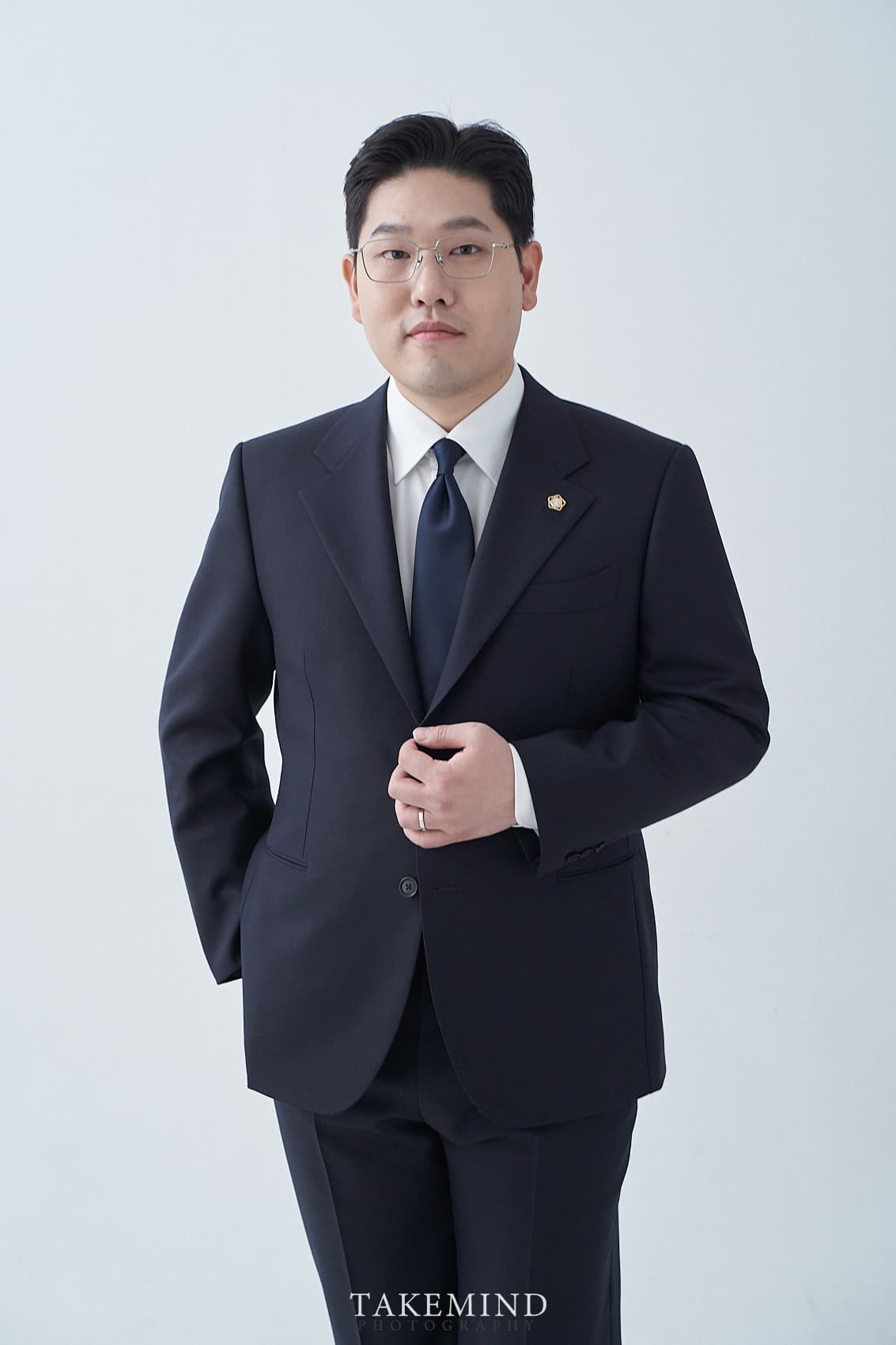
Hansol Kim Managing Partner
Former prosecutor at the Incheon District Prosecutors' Office, the Ansan Branch of the Suwon District Prosecutors' Office and the Hongseong Branch of the Daejeon District Prosecutors' Office
View profile →
Bonwoo Koo Managing Partner
Economic criminal cases such as Capital Markets Act violations, investment fraud, embezzlement and breach of trust
View profile →
Frequently asked questions
Is it enough to say it was for discipline?
The purpose alone does not settle the question. What you said and did and how many times, how the child reacted and whether there was another way are all reviewed, so you need to be ready to explain the specific scenes.
Do I have to say the same thing to the district office and the police?
The two procedures have different purposes, but your statements can be compared. It is important to separate facts you clearly remember from guesses and speak consistently.
If I only get a fine, can I no longer work at a daycare center?
Even when a fine is imposed for a child abuse-related crime, an employment restriction order is in principle imposed with it. If you show circumstances such as a markedly low risk of reoffending, you may be exempted or the period may be shortened.