When you may need advice
- I sent a holiday gift to the official in charge of my permit, and now I am being investigated
- A report was filed under the Anti-Graft Act over a gift card I gave my child's teacher
- I played golf and had meals with an employee of a public company that is my client, and it was flagged in an audit
- Money I received as a public official is suspected of being a bribe
- I received notice of an administrative fine for making an improper request
Relevant laws
Criminal Act (형법) Article 129(1) (Acceptance of Bribes) and Article 133(1) (Offering of Bribes)
A public official who accepts, demands or agrees to accept a bribe in connection with their duties is punishable by up to 5 years in prison or suspension of qualifications for up to 10 years. A person who promises, gives or offers to give a bribe is punishable by up to 5 years in prison or a fine of up to KRW 20 million.
Act on the Aggravated Punishment of Specific Crimes (특정범죄가중처벌법) Article 2
If the bribe received is KRW 30 million or more, the penalty is at least 5 years in prison; KRW 50 million or more, at least 7 years; and KRW 100 million or more, life imprisonment or at least 10 years. A fine of 2 to 5 times the bribe amount is imposed in addition.
Improper Solicitation and Graft Act (청탁금지법) Article 8 and Article 22(1)
A public servant or other covered person who receives, demands or agrees to receive money or other valuables worth more than KRW 1 million at one time, or more than KRW 3 million in a fiscal year, from the same person is punishable by up to 3 years in prison or a fine of up to KRW 30 million, whether or not it relates to their duties. The same applies to the person who gave it.
Statutes are summarized. The official Korean text is available at the Korea Law Information Center (law.go.kr).
Values allowed under the Anti-Graft Act (for social or ceremonial purposes)
Food and drink
- Value limit
- KRW 50,000
Congratulatory and condolence money
- Value limit
- KRW 50,000 for wedding gifts or condolence money (KRW 100,000 for flower wreaths)
Gifts
- Value limit
- KRW 50,000
Gifts of agricultural or fishery products or processed products
- Value limit
- KRW 150,000 (KRW 300,000 from 24 days before to 5 days after Seollal and Chuseok)
| Category | Value limit |
|---|---|
| Food and drink | KRW 50,000 |
| Congratulatory and condolence money | KRW 50,000 for wedding gifts or condolence money (KRW 100,000 for flower wreaths) |
| Gifts | KRW 50,000 |
| Gifts of agricultural or fishery products or processed products | KRW 150,000 (KRW 300,000 from 24 days before to 5 days after Seollal and Chuseok) |
Enforcement Decree of the Improper Solicitation and Graft Act Article 17 and Attached Table 1 (as in force from June 30, 2026). Even when related to duties, these amounts are allowed for smooth performance of duties or for social or ceremonial purposes. Cash and securities are not included in gifts.
The Anti-Graft Act does not ask whether there was a quid pro quo
If it relates to the recipient's duties, the Improper Solicitation and Graft Act prohibits money or valuables above the set limits even without a quid pro quo. Amounts of KRW 1 million or less per occasion or KRW 3 million or less per year lead to an administrative fine (과태료) of 2 to 5 times the amount received instead of criminal punishment (Article 23(5)).
Covered persons include not only public officials but also employees of public institutions, staff at schools at all levels and employees of media companies. This is why gifts from parents to homeroom teachers so often become an issue.
For bribery, the key is connection to duties and a quid pro quo
Bribery is established only when a benefit is given or received in connection with a public official's duties and in return for them. Not only money but any benefit that satisfies a person's wants, such as entertainment, golf outings, debt forgiveness or job placement, can qualify.
We examine one by one whether it was a gift from a long-standing friendship, what duties the official had at the time, and whether the timing overlapped with a permit or contract. If the amount received exceeds KRW 30 million, the Aggravated Punishment Act applies and the penalty becomes much heavier, and the bribe received is confiscated or its value collected (Criminal Act Article 134).
The giver is also punished
A person who gives a bribe is punished for offering a bribe, and a person who gives money or valuables above the Anti-Graft Act limits is punished by the same penalty as the official who received them. If the official reports the receipt and returns it, the case can end up focusing only on the giver.
Investigations proceed by matching bank records, card usage and work records. Before stating amounts or the number of occasions from memory, check the records first.
Factors that affect the outcome and sentence
Factors that work against you
- · Large amounts repeated several times
- · An improper decision or special favor actually followed
- · Demanding money or valuables first
- · Hiding traces with borrowed-name accounts or cash
Factors that work in your favor
- · A customary gift arising from a long personal friendship
- · A weak connection to the official's duties
- · Returning it or reporting it right away
- · No prior record
How our Criminal Law Center handles your case
- 1
Consultation with the managing partner
Based on what was given and received and the duties at the time, we sort out whether it is an administrative fine matter, a criminal matter, or a matter likely to be contested as bribery.
- 2
Organize the records
We match bank and card records with schedules to establish the exact amounts and number of occasions.
- 3
Search and seizure response
If your office or home is searched, we attend the search and apply to take part in the forensic examination.
- 4
Attend questioning and legal opinion
We attend questioning about the connection to duties and any quid pro quo, and set out the personal friendship and customary nature of the gift in a written opinion.
Lawyers handling these cases
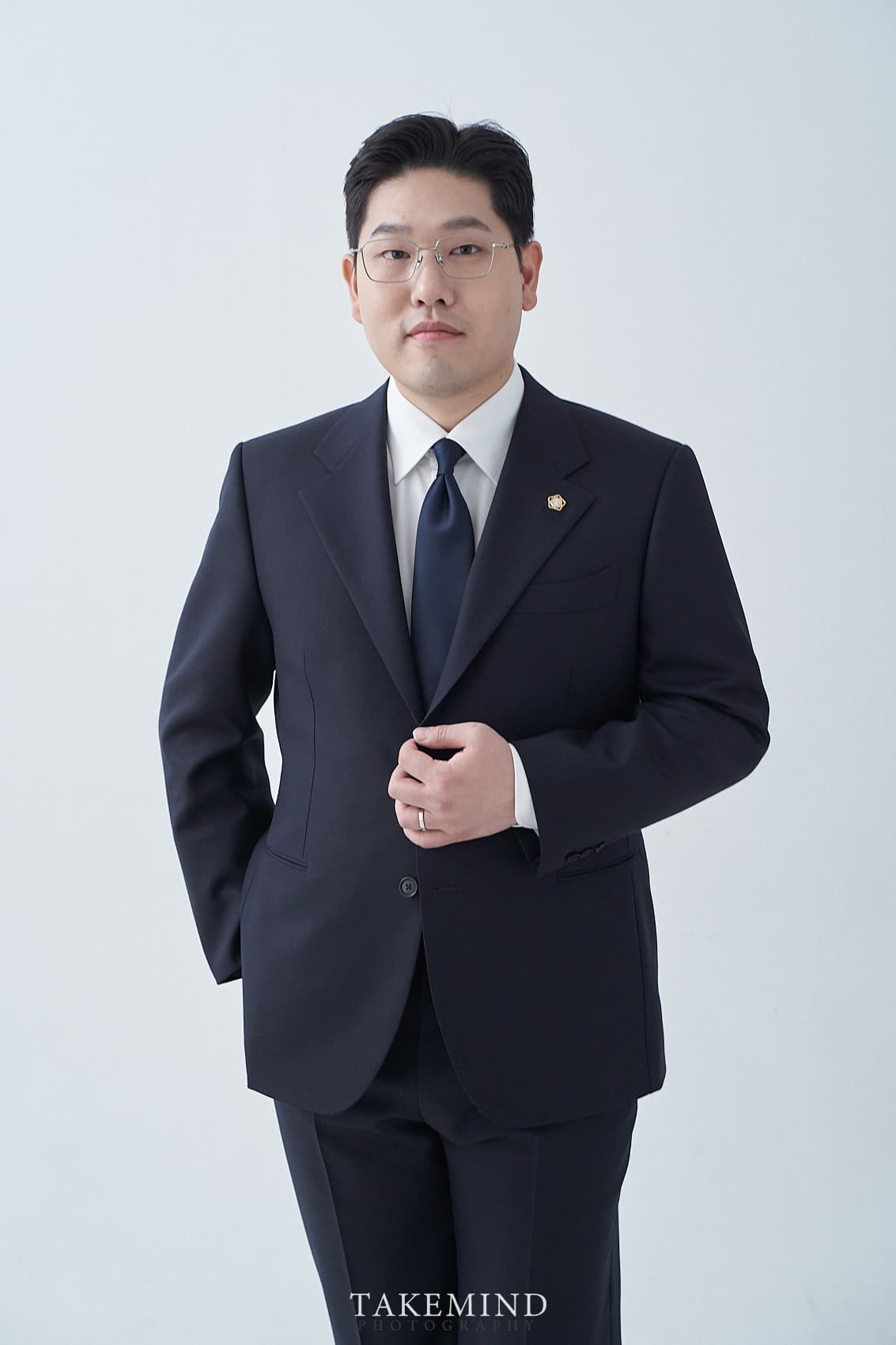
Hansol Kim Managing Partner
Former prosecutor at the Incheon District Prosecutors' Office, the Ansan Branch of the Suwon District Prosecutors' Office and the Hongseong Branch of the Daejeon District Prosecutors' Office
View profile →
Bonwoo Koo Managing Partner
Economic criminal cases such as Capital Markets Act violations, investment fraud, embezzlement and breach of trust
View profile →
Frequently asked questions
It was a KRW 50,000 meal. Is that still a problem?
For smooth performance of duties or social or ceremonial purposes, meals up to KRW 50,000 are allowed. However, where the connection to duties is close, such as an official currently reviewing your permit, it may not be allowed even within the limit.
Can I give my child's homeroom teacher a gift on Teachers' Day?
Because a homeroom teacher evaluates and guides the student, a connection to duties is found, and the general interpretation is that even gifts within the value limits are not allowed. Only things accepted by social norms, such as flowers presented by a student representative, are treated as exceptions.
Is it all right if I received money and gave it back?
Under the Anti-Graft Act, an official who reports the receipt, returns or hands over the money or valuables, or states a refusal is excluded from criminal punishment. Bribery can be established once a bribe has been received, but returning it right away is meaningful for arguing there was no intent to accept it and at sentencing.